Subscribe For Weekly New Recipes!

Delia Smith Strawberry Jam Recipe
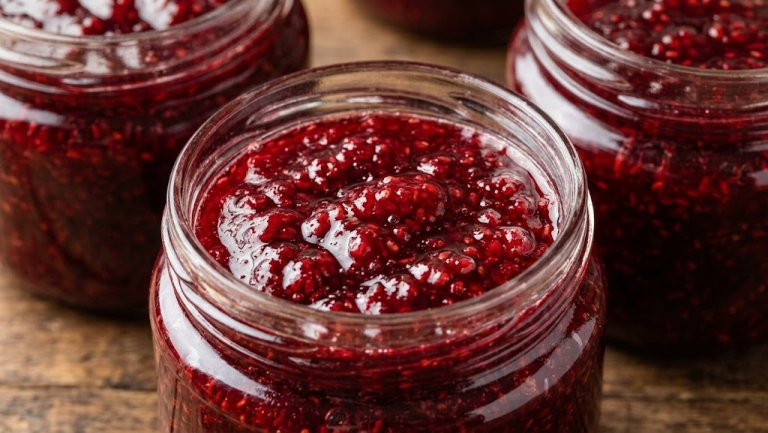
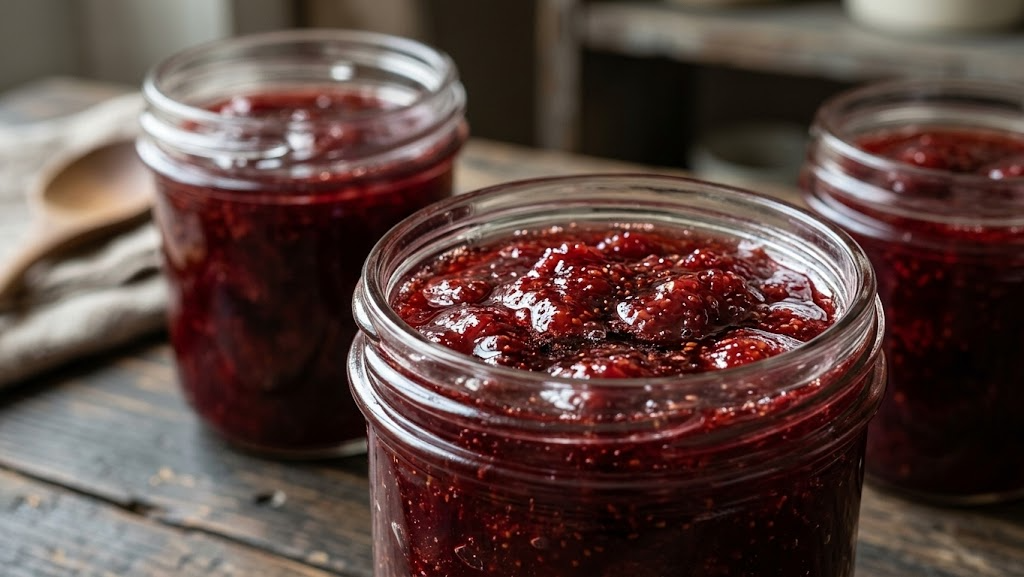
This Delia Smith strawberry jam is the kind of old-fashioned preserve that tastes like pure summer: bright, fragrant strawberries with a clean lemony edge and a glossy, softly set finish. It is an easy, confidence-building jam for beginners, with a straightforward method and a reliable setting point. Expect a classic texture with tender fruit pieces suspended in a jewel-red syrup, perfect on toast, scones, or folded into yogurt. Total time is about 1 hour 15 minutes, including sterilising jars.
Ingredients
For the Strawberry Jam
- 1kg strawberries, ripe but not mushy, hulled
- 1kg granulated sugar (preserving sugar is ideal, but standard granulated works well)
- Juice of 1 large lemon
- 1 tsp unsalted butter (optional, helps reduce foaming)
For Sterilising the Jars
- 4 small jam jars (about 300ml each) with lids
- Hot soapy water for washing
How to Make Delia Smith Strawberry Jam Recipe
- Prepare the oven: Preheat the oven to 140°C (120°C fan). Wash the jars and lids in hot soapy water, rinse well, then put the jars on a baking tray and place them in the oven for 15 minutes to sterilise and dry. Keep them warm until you are ready to fill. (Lids are best sterilised in boiling water for a few minutes, then air-dried.)
- Chill a plate for testing: Put a small plate in the freezer. You will use this later for the wrinkle test, which is the simplest way to check if your jam has set.
- Warm the sugar: Tip the sugar into an ovenproof dish or roasting tin and place it in the oven for 10 minutes. Warm sugar dissolves faster and helps the jam cook evenly without catching.
- Soften the fruit: Put the strawberries and lemon juice into a large preserving pan or a wide, heavy-based saucepan. Set over a low heat and cook for 5–8 minutes, stirring gently, until the strawberries start to release juice and soften.
- Dissolve the sugar: Add the warm sugar to the pan. Keep the heat low and stir patiently until every grain of sugar has dissolved and the liquid looks clear rather than gritty. This usually takes 5–7 minutes. Scrape the bottom of the pan as you stir so nothing sticks.
- Boil to setting point: Turn the heat up and bring the jam to a full rolling boil. Boil rapidly for 8–12 minutes. If using, stir in the butter to calm the foam. Skim off any thick scum with a metal spoon as needed.
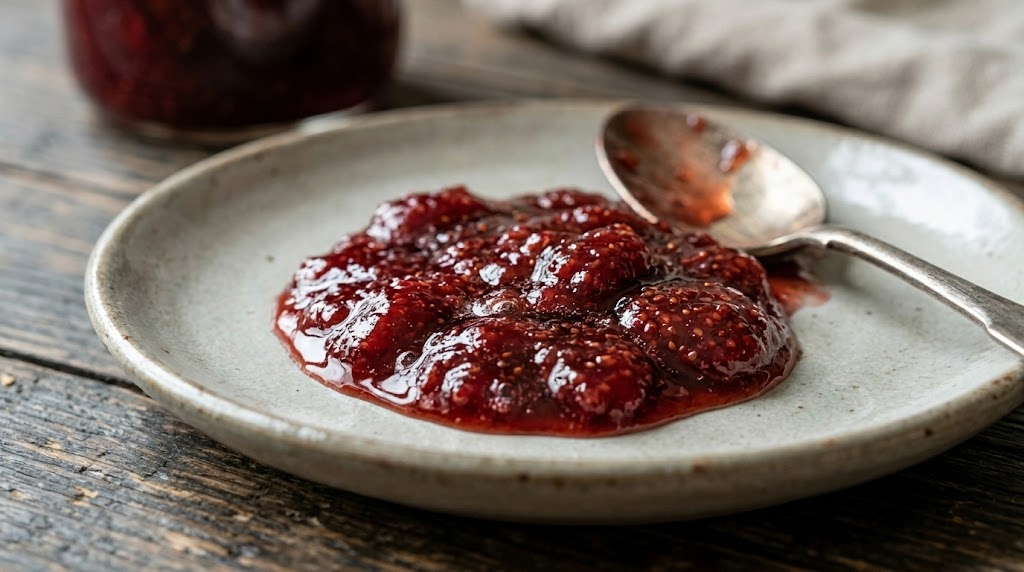
- Test for a set: Take the pan off the heat. Drop a little jam onto the chilled plate, wait 30 seconds, then push it with your fingertip. If it wrinkles and does not flood back, it is ready. If it is still runny, boil for 2 minutes more and test again. (If you have a thermometer, aim for 105°C.)
- Cool briefly: Let the jam stand in the pan for 10 minutes. This helps the fruit distribute evenly through the jar rather than floating to the top.
- Fill the jars: Carefully ladle the hot jam into the warm sterilised jars, leaving about 5mm headspace. Wipe the rims clean with a damp cloth and screw on the lids while the jam is still hot.
- Cool and label: Leave the jars undisturbed until fully cool, then label with the date. Store in a cool, dark cupboard. Once opened, keep the jam in the fridge.
Tips
Why didn’t my strawberry jam set?
Most often, it just needs a little longer at a proper rolling boil. Return it to the pan, bring back to a rapid boil for 2 to 3 minutes, then test again using the chilled plate. Also make sure you used the full amount of lemon juice, as the acidity helps the pectin do its job.
How do I stop the fruit floating to the top of the jar?
Letting the jam sit for 10 minutes before potting makes a big difference. During that short rest, the jam thickens slightly and the fruit stays suspended instead of drifting upwards.
What’s the best way to avoid sugar crystals?
Do not rush the dissolving stage. Keep the heat low until the sugar is completely dissolved before you let it boil. Warming the sugar first also helps, and you should avoid splashing sugar onto the sides of the pan.
How do I reduce the foamy scum on top?
Foam is normal with strawberry jam. Skim it off at the end of boiling, and consider stirring in a small knob of butter to calm it. Using a wide pan helps foam evaporate faster, too.
Serving Suggestions
- Spread thickly on hot buttered toast or crumpets
- Spoon over scones with clotted cream
- Swirl into Greek yogurt or porridge
- Use as a filling for Victoria sponge or jam tarts
- Warm gently and serve with vanilla ice cream
Storage
Room Temperature
Store sealed, cooled jars in a cool, dark cupboard for up to 12 months. Keep jars away from heat sources and direct sunlight to protect the colour and flavour.
Refrigerator
Once opened, keep the jam in the fridge and use within 4–6 weeks. Always use a clean spoon to avoid introducing moisture or crumbs.
Freezing
Jam freezes well for up to 6 months. Freeze in freezer-safe containers, leaving space for expansion, and thaw overnight in the fridge. (If you have already properly jarred and sealed the jam, it is usually simpler to store it in the cupboard instead.)
Nutrition
- Calories: 55 kcal
- Carbohydrates: 14 g
- Protein: 0 g
- Fat: 0 g
- Saturated Fat: 0 g
- Sodium: 1 mg
Disclaimer: Nutrition values are estimates and will vary depending on exact ingredients and portion size.
FAQs
Do I need pectin or jam sugar for this recipe?
No. With ripe strawberries, the full amount of sugar, and lemon juice, you can get a reliable set without added pectin. That said, preserving sugar or jam sugar can be helpful if your strawberries are very ripe and low in natural pectin, but it is not essential.
How do I know when strawberry jam reaches setting point?
The quickest method is the chilled plate wrinkle test: drop a little jam onto a frozen plate, wait 30 seconds, then push it with your finger. If it wrinkles, it is set. A thermometer reading of about 105°C is another good indicator.
Can I use frozen strawberries?
Yes. Thaw completely first, include all the juices, and expect a slightly longer boil to reach setting point because frozen fruit often releases more water. The flavour will still be lovely, especially with a good squeeze of lemon.
Why is my jam cloudy or gritty?
Cloudy or gritty jam usually means the sugar was not fully dissolved before boiling. Next time, keep the heat low and stir until the liquid looks clear and smooth. Warming the sugar first also helps prevent crystals.
How long should I leave jam before eating it?
You can eat it as soon as it is cool, but the flavour improves after a day or two. If you have sealed the jars while hot, leave them undisturbed until fully cold so the set finishes properly.
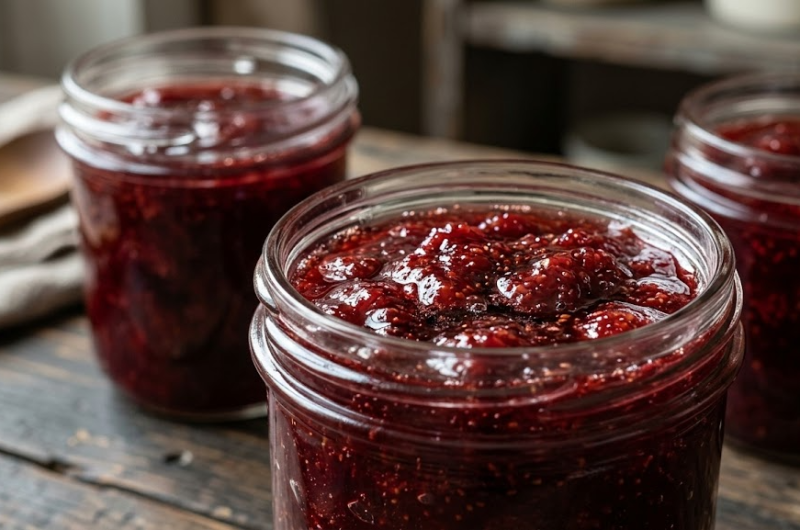
Delia Smith Strawberry Jam Recipe
Course: CondimentCuisine: BritishDifficulty: EasyServings
4
jarsPrep time
20
minutesCooking time
25
minutesTotal time
75
minutesCalories
55
kcal45
minutesA classic British strawberry jam with bright fruit flavour, a clean lemon finish, and a reliable set. Simple to make, perfect for toast, scones, and baking.
Ingredients
1kg ripe strawberries, hulled
1kg granulated sugar (preserving sugar if you have it)
Juice of 1 large lemon
1 tsp unsalted butter (optional, reduces foaming)
4 small sterilised jam jars with lids (about 300ml each)
Directions
- Wash jars and lids. Sterilise jars in a low oven and keep them warm.
- Warm the sugar gently (in the oven or a tray) so it dissolves quickly in the pan.
- Put strawberries and lemon juice into a preserving pan and heat gently to soften the fruit.
- Add warmed sugar and stir over low heat until fully dissolved.
- Boil rapidly until setting point is reached (105°C) and skim any foam.
- Test for a set using a chilled plate wrinkle test.
- Cool for 10 minutes so fruit suspends evenly.
- Pour into hot jars, seal, and leave undisturbed to cool.
- Label once cold and store in a cool, dark place.
Notes
- Use a wide pan for faster evaporation and a better set.
- Warming the sugar helps prevent crystallisation and speeds up dissolving.
- Always start with warm, sterilised jars to reduce the risk of cracking and to keep the jam safe.