Subscribe For Weekly New Recipes!

Delia Smith Shortcrust Pastry Recipe
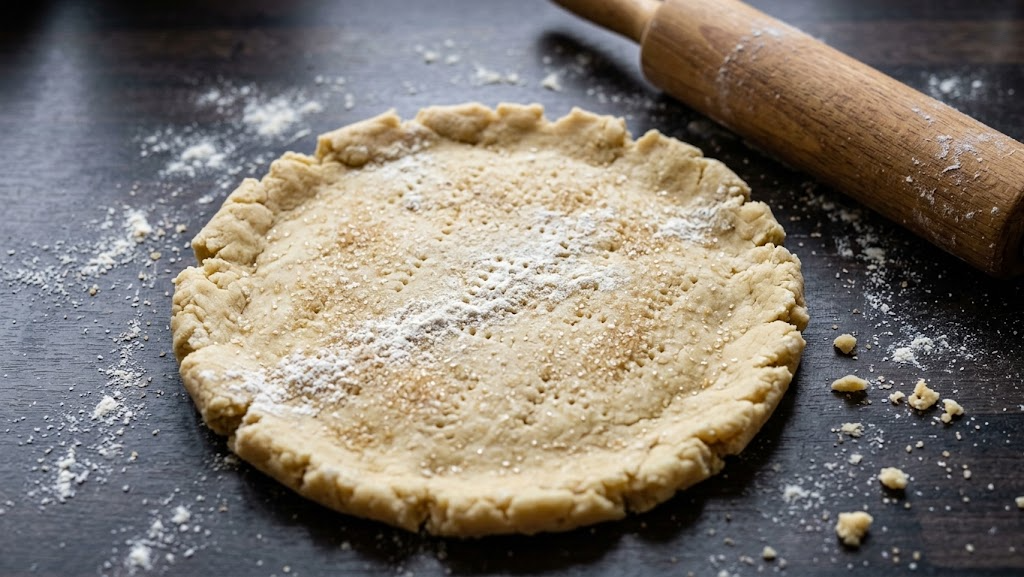
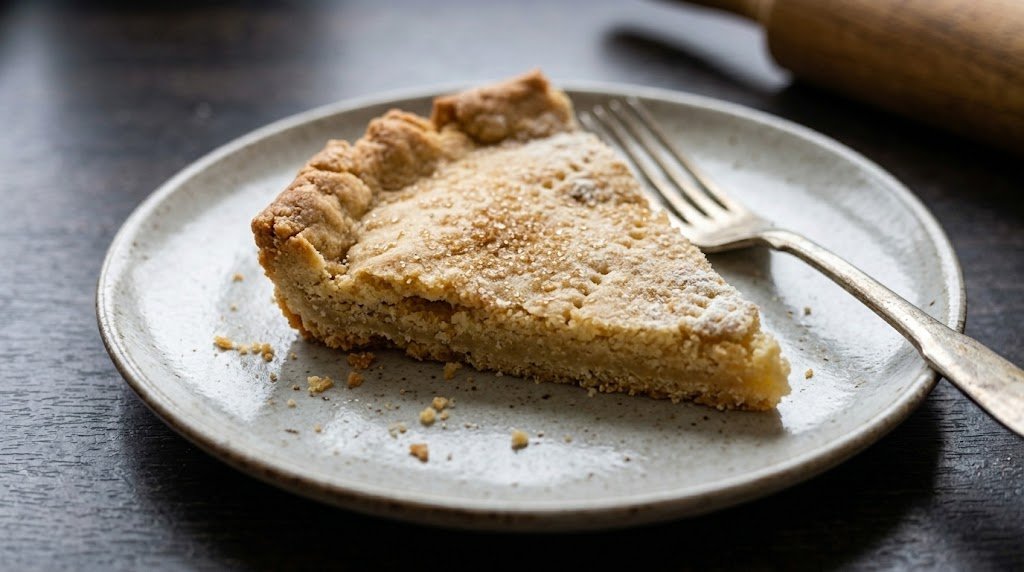
This is my go-to version of Delia Smith’s shortcrust pastry: buttery, crisp, and reliably tender, with just enough structure to hold any filling you like. The flavour is clean and rich, and the texture bakes up short and flaky rather than bready. It’s an easy recipe, but the little details (cold butter, light hands, and a good chill) make all the difference. Total time is about 1 hour to 1 hour 10 minutes, including chilling and blind baking.
Ingredients
For the shortcrust pastry (1 x 23cm tart case)
- 175g plain flour, plus extra for dusting
- Pinch of fine salt
- 75g unsalted butter, very cold and diced
- 1 large egg yolk
- 2 to 3 tbsp cold water (added gradually)
- 1 tbsp icing sugar (optional, only if making a sweet tart)
For blind baking (recommended for most tarts)
- Baking paper
- Ceramic baking beans or uncooked rice
How to Make Delia Smith Shortcrust Pastry Recipe
Prepare the oven and tin
- Prepare the oven: Preheat the oven to 200°C or 180°C fan. Place a shelf in the middle of the oven so the pastry bakes evenly.
- Get the tin ready: Use a 23cm loose-bottomed tart tin. There’s no need to grease it if your pastry has enough butter, but do make sure it’s clean and dry.
Mix the pastry dough
- Combine the dry ingredients: Tip the flour and salt into a mixing bowl. If you’re making a sweet tart, whisk in the icing sugar too.
- Rub in the butter: Add the cold diced butter and rub it into the flour using your fingertips. Stop when the mixture looks like fine breadcrumbs and you still see the odd tiny fleck of butter.
- Add yolk and water: Stir in the egg yolk, then add cold water 1 tablespoon at a time. Mix with a table knife or your hand until the dough starts to clump.
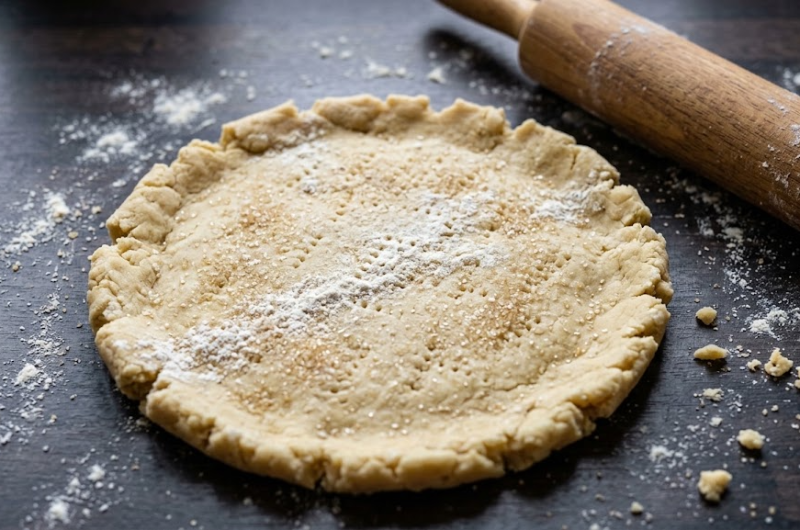
- Bring it together gently: Tip onto the work surface and press into a smooth dough with the heel of your hand. Do not knead. Shape into a disc.
Chill (this is where good pastry happens)
- Wrap and rest: Wrap the pastry disc well and chill for 30 minutes. This relaxes the gluten and firms the butter so the pastry stays short and crisp.
Roll out and line the tin
- Roll evenly: Lightly flour the worktop and rolling pin. Roll the pastry to about 3mm thick, turning it a quarter turn as you go to keep it even.
- Line the tin: Lift the pastry over the tin (drape it over the rolling pin if helpful) and press it into the corners without stretching. Leave a little overhang at the top.
- Chill again: Prick the base lightly with a fork, then chill the lined tin for 10 minutes. This helps prevent shrinkage in the oven.
Bake (blind bake for a crisp base)
- Line and fill: Scrunch up a sheet of baking paper, then smooth it back out and line the pastry case. Fill with baking beans or uncooked rice, pushing some up the sides.
- First bake: Bake for 15 minutes, until the sides look set.
- Remove weights: Lift out the paper and beans, then return the case to the oven for 5 to 8 minutes, until the base looks dry and just lightly golden.
- Trim neatly: While still warm, trim the edge with a small sharp knife for a clean finish (optional, but it does look lovely).
Cool and assemble
- Cool fully: Let the tart case cool in the tin for 10 minutes, then remove the ring and cool completely on a rack before filling.
- Fill or bake again: Add a no-bake filling once fully cool (lemon curd, pastry cream, chocolate ganache), or add a savoury filling and bake again as your recipe instructs (quiche, onion tart).
Tips
Why is my shortcrust pastry tough?
Tough pastry usually comes from overworking the dough or adding too much water. Mix just until it comes together, bring it into a disc with gentle pressure (no kneading), and add water slowly so the dough is not sticky.
How do I stop my pastry shrinking in the tin?
Two things help most: chill the dough before rolling, and chill the lined tin before baking. Also, press the pastry into the corners without stretching it, since stretched dough will pull back as it bakes.
What if my pastry cracks when I roll it?
If it cracks badly, it’s usually too cold. Let it sit at room temperature for 2 to 3 minutes, then roll again with light, even pressure. Small cracks can be patched with scraps and gently pressed smooth.
How do I avoid a soggy tart base?
Blind bake until the base looks dry and lightly coloured, especially if you are adding a wet filling. For extra insurance with very wet fillings, brush the warm base with a little beaten egg and bake for 1 minute to seal it.
Serving Suggestions
- Fill with lemon curd and softly whipped cream for an easy dessert tart.
- Use as the base for quiche Lorraine, spinach and feta quiche, or roasted vegetable tart.
- Spread with pastry cream and top with fresh berries.
- Make mini tartlets for afternoon tea using the same pastry and shorter bake time.
Storage
Room temperature
A baked, unfilled tart case keeps well for up to 2 days in an airtight container. Keep it somewhere cool and dry so it stays crisp.
Refrigerator
Raw pastry dough (wrapped tightly) keeps for up to 3 days in the fridge. Let it sit at room temperature for 5 to 10 minutes before rolling if it’s very firm.
Freezing
Freeze the dough as a flattened disc for up to 3 months, then thaw overnight in the fridge. You can also freeze a baked tart case (well wrapped) for up to 2 months; thaw at room temperature and refresh in a 160°C fan oven for 5 to 8 minutes to re-crisp.
Nutrition
- Calories: 215 kcal
- Carbohydrates: 18g
- Protein: 3g
- Fat: 14g
- Saturated Fat: 8g
- Sodium: 60mg
Disclaimer: Nutrition values are estimates and will vary depending on ingredients, brands, and portion size.
FAQs
Can I make Delia Smith shortcrust pastry in a food processor?
Yes. Pulse the flour, salt, and cold butter until it looks like breadcrumbs, then add the egg yolk and drizzle in cold water while pulsing just until the dough clumps. Tip it out and press into a disc, then chill as directed. Avoid running the machine continuously, as it can warm the butter and overwork the dough.
Do I have to use egg yolk in shortcrust pastry?
The yolk adds richness and helps the dough bind with less water, which keeps the pastry tender. If you prefer, you can leave it out and use cold water only, but you may need a little more water and the pastry will be slightly less rich.
How long should I chill shortcrust pastry before rolling?
Chill for at least 30 minutes. If your kitchen is warm, an extra 15 minutes helps. Chilling relaxes the gluten (for tenderness) and firms the butter (for flakiness and less shrinkage).
Should I blind bake shortcrust pastry for quiche?
It depends on the filling, but for most quiches I recommend blind baking until the base looks dry and lightly golden. It gives you a crisper bottom and helps prevent that underbaked, soggy layer under the custard.
Delia Smith Shortcrust Pastry Recipe
Course: BakingCuisine: BritishDifficulty: EasyServings
8
servingsPrep time
20
minutesCooking time
25
minutesTotal time
70
minutesCalories
215
kcal45
minutesA classic Delia Smith-style shortcrust pastry that bakes crisp, buttery, and tender. Ideal for pies, tarts, and quiches, with clear steps for chilling, rolling, and blind baking.
Ingredients
175g plain flour, plus extra for dusting
Pinch of fine salt
75g unsalted butter, very cold and diced
1 large egg yolk
2–3 tbsp cold water (add gradually)
1 tbsp icing sugar (optional, for sweet tarts)
Baking paper and ceramic baking beans or uncooked rice (for blind baking)
Directions
- Measure the flour and salt (and icing sugar if using) into a bowl. Add the cold diced butter.
- Rub the butter into the flour with your fingertips until it looks like fine breadcrumbs, working quickly so the butter stays cold.
- Stir in the egg yolk, then add cold water a tablespoon at a time, mixing until the dough just starts to clump.
- Tip onto the worktop and bring together gently into a smooth ball. Flatten into a disc, wrap, and chill for 30 minutes.
- Roll out on a lightly floured surface and line a 23cm tart tin. Trim, prick the base, and chill for 10 minutes.
- Preheat oven to 200°C (180°C fan). Line the pastry with baking paper, fill with baking beans, and bake 15 minutes.
- Remove paper and beans. Bake 5–8 minutes more until the base looks dry and lightly golden.
- Cool the tart case completely before filling, or add your filling and bake as your recipe directs (for quiches and tarts).
Notes
- Keep everything cold: cold butter, cold water, and a quick touch prevents tough pastry.
- Chilling twice (before and after lining the tin) helps stop shrinkage.
- If the dough cracks when rolling, let it warm for 2–3 minutes, then continue gently.
- Pastry can be frozen as a disc or as a lined tin for up to 3 months.