Subscribe For Weekly New Recipes!

Delia Smith Flaky Pastry Recipe
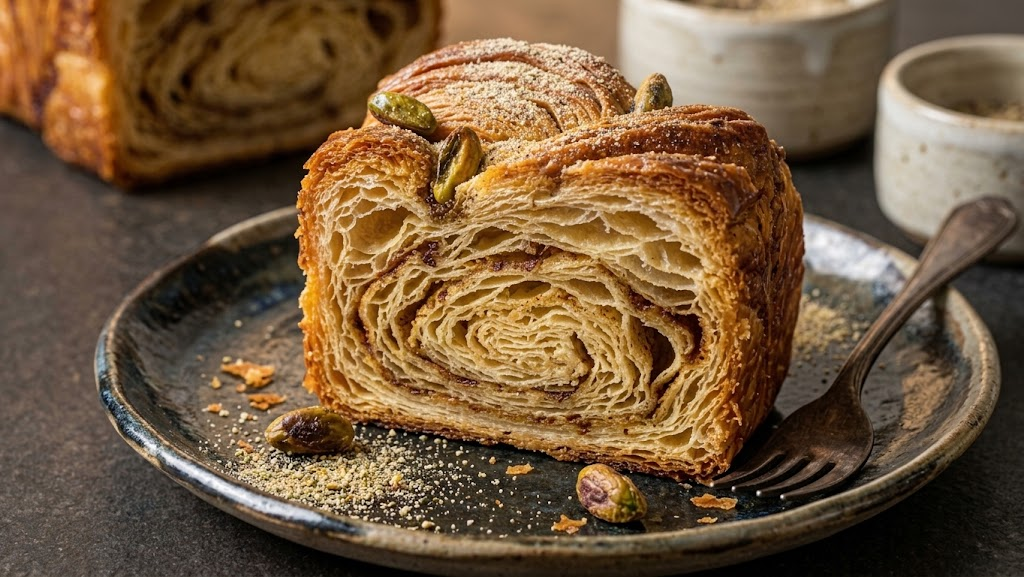
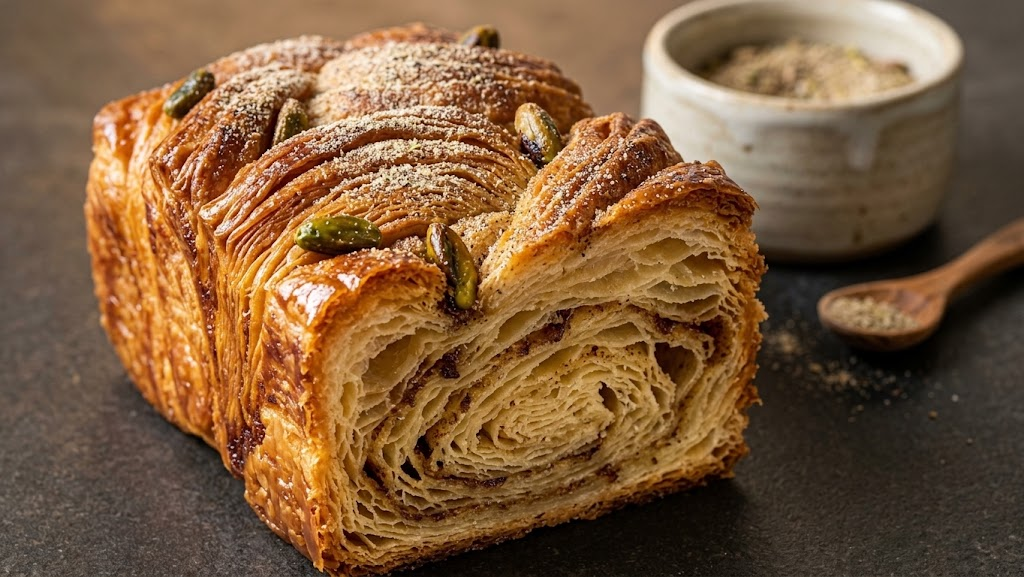
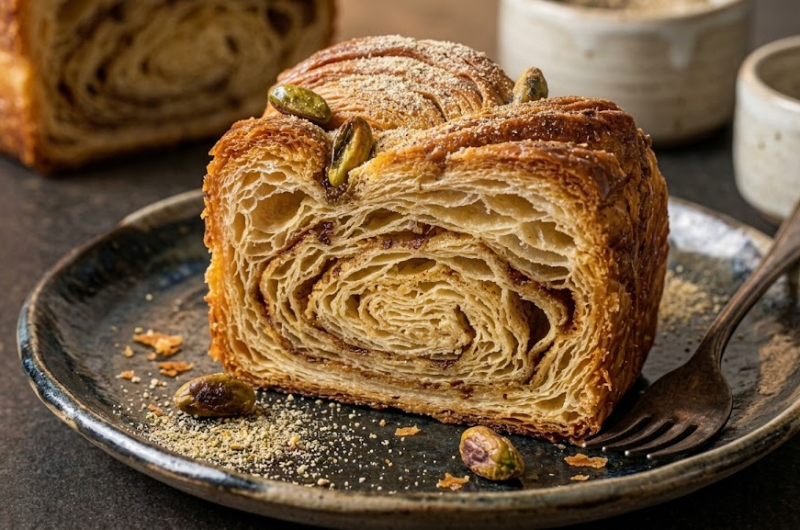
This Delia Smith-inspired flaky pastry is the kind of dependable, buttery dough that makes pies, tarts, and sausage rolls feel instantly special. It bakes up light and crisp with visible layers, a clean buttery flavour, and just enough structure to hold a generous filling. The method is very approachable for home bakers, as long as you keep everything cold and handle the dough gently. Plan for about 20 minutes of hands-on time, plus chilling, with a total time of around 1 hour 10 minutes.
Ingredients
For the flaky pastry dough
- 225g plain flour (plus extra for rolling)
- 1/2 tsp fine salt
- 100g unsalted butter, very cold and cut into small cubes
- 50g lard (or vegetable shortening), very cold
- 1 tsp lemon juice (optional)
- 6 to 7 tbsp ice-cold water (about 90 to 105ml)
For blind baking (optional, for tart shells and quiches)
- Baking parchment
- Pie weights or dried beans/rice
- 1 lightly beaten egg (optional, for sealing the base after blind baking)
How to Make Delia Smith Flaky Pastry Recipe
- Prepare the oven: If you are blind baking today, preheat the oven to 200°C (180°C fan). Place a shelf in the middle so the pastry bakes evenly and colours without scorching underneath.
- Chill and measure: Keep the butter, lard, and water very cold. I like to pop the measured fats back into the fridge while I weigh the flour and salt so nothing warms up on the counter.
- Start the dough (mixing): Put the flour and salt into a large bowl. Add about half the butter and half the lard, then rub it in with your fingertips until the mixture looks like fine breadcrumbs. This gives you tenderness, while the remaining fat creates the flaky layers.
- Add the remaining fat: Add the rest of the butter and lard and quickly rub it in just a little, leaving plenty of visible small pieces. You want flakes of fat throughout the flour, not a perfectly uniform mix.
- Bring it together: Stir in the lemon juice (if using). Add the ice-cold water 1 tablespoon at a time, mixing with a table knife until clumps form. Stop as soon as the dough holds together when you press it, as too much water makes it sticky and tougher to roll.
- Roll and fold (to build layers): Tip the dough onto a lightly floured surface and press it into a rough rectangle. Roll it out to about 1cm thick, then fold it into thirds like a letter. Turn the dough 90 degrees, roll again, and fold into thirds once more.
- Chill: Wrap the pastry and chill for at least 30 minutes. This firms the fat, relaxes the gluten, and makes the dough easier to roll without shrinking.
- Assemble (line your tin): Roll the chilled pastry to about 3mm thick for tarts, or slightly thicker for pies. Lift it into the tin without stretching it, then press it into the corners. Trim the edge, leaving a small overhang, and chill the lined tin for 15 minutes.
- Bake (blind baking option): Prick the base lightly with a fork, line with baking parchment, and fill with pie weights. Bake for 15 minutes, then remove the weights and parchment and bake for 5 to 8 minutes more until the base looks dry and lightly golden.
- Seal and cool: For a crisp base under wet fillings, brush the hot pastry with a little beaten egg and return it to the oven for 1 minute. Cool on a rack before filling, or fill and bake as your recipe directs.
Tips
How do I keep flaky pastry from shrinking in the oven?
Do not stretch the dough when lining the tin. Let it relax: chill the dough after mixing, then chill again once it is in the tin. Blind baking with weights also supports the sides until the pastry sets.
Why is my pastry tough instead of flaky?
Tough pastry usually comes from overworking the dough or adding too much water. Mix just until it holds together, then stop. The folds should be gentle and minimal, you are creating layers, not kneading bread dough.
How cold does the butter and lard need to be?
Cold enough that it stays firm while you rub it in. If your kitchen is warm, chill the bowl and even your hands under cool water, then dry them well. If the fat starts to soften, refrigerate the bowl for 10 minutes and continue.
How do I get a crisp base for quiche or fruit tarts?
Blind bake until the base looks dry, then give it that quick egg wash seal. It creates a thin barrier that helps stop sogginess, especially with custard fillings.
Serving Suggestions
- Use for a classic chicken and mushroom pie or steak pie with gravy-rich filling.
- Line a tart tin for quiche Lorraine, caramelised onion tart, or tomato and feta tart.
- Cut into squares, fill with sausage meat, and bake as sausage rolls.
- Top fruit with a pastry lid for an easy apple or plum pie.
Storage
Room temperature
If baked, the pastry keeps well at room temperature for up to 2 days in an airtight container. For best crispness, keep it somewhere cool and dry, away from steam or humidity.
Refrigerator
Raw pastry dough can be wrapped tightly and refrigerated for up to 3 days. Let it sit at room temperature for 5 to 10 minutes before rolling, just until pliable.
Freezing
Freeze the wrapped dough for up to 3 months. Thaw overnight in the fridge, then roll while it is still cool. You can also freeze a lined tin (well wrapped) for a brilliant head start on pie day.
Nutrition
- Calories: 248 kcal
- Carbohydrates: 18 g
- Protein: 3 g
- Fat: 18 g
- Saturated fat: 9 g
- Sodium: 150 mg
Nutrition values are estimates and will vary depending on exact ingredients, brands, and how the pastry is used.
FAQs
Can I make flaky pastry in advance?
Yes. Wrap it tightly and refrigerate for up to 3 days, or freeze for up to 3 months. Chilling improves handling and helps reduce shrinkage during baking.
Can I use all butter instead of butter and lard?
You can. Replace the lard with the same weight of very cold butter. The flavour will be richer and more buttery, but the pastry may be slightly less shatteringly crisp than the butter-and-lard version.
Why is my pastry cracking when I roll it out?
It is usually too cold or too dry. Let it sit for a few minutes to soften slightly, then roll with gentle pressure. If it still feels dry, dab your fingertips in cold water and lightly pat the surface before rolling again.
Do I have to blind bake flaky pastry?
Not always. Blind baking is best for wet fillings like quiche or custard tarts, where you want a crisp base. For pies baked with a filling (especially with a pastry lid), follow your pie recipe and bake the whole pie instead.
How thin should I roll flaky pastry for pies and tarts?
For most tarts, aim for about 3mm. For pie lids and sturdier bakes, 3 to 4mm is ideal. Rolling too thin can cause tearing and shrinkage; too thick can bake up heavy.
Delia Smith Flaky Pastry Recipe
Course: BakingCuisine: BritishDifficulty: EasyServings
1
crustPrep time
20
minutesCooking time
25
minutesTotal time
70
minutesCalories
248
kcal45
minutesClassic British-style flaky pastry made with butter and lard for beautifully crisp, light layers. Ideal for pies, tarts, and savoury bakes.
Ingredients
225g plain flour
1/2 tsp fine salt
100g unsalted butter, very cold and cubed
50g lard or vegetable shortening, very cold
1 tsp lemon juice (optional, helps tenderness)
6–7 tbsp ice-cold water (about 90–105ml)
A little extra flour, for rolling
Directions
- Chill a mixing bowl (optional) and measure all ingredients. Keep fats and water as cold as possible.
- Rub half the butter and lard into the flour and salt until it resembles fine breadcrumbs, then leave the remaining fat in visible pieces.
- Stir in lemon juice (if using), then add ice-cold water a tablespoon at a time until the dough just comes together.
- On a lightly floured surface, roll into a rectangle and fold into thirds. Turn, roll again, and fold once more.
- Wrap and chill for at least 30 minutes before rolling and baking.
- Roll and line your tin, then chill again before blind baking or filling and baking as your recipe directs.
Notes
- Cold ingredients are the secret to flaky layers.
- Handle the dough gently and avoid overworking to prevent toughness.
- Chill the lined tin before baking to reduce shrinkage.