Subscribe For Weekly New Recipes!

Delia Smith Roast Duck Recipe
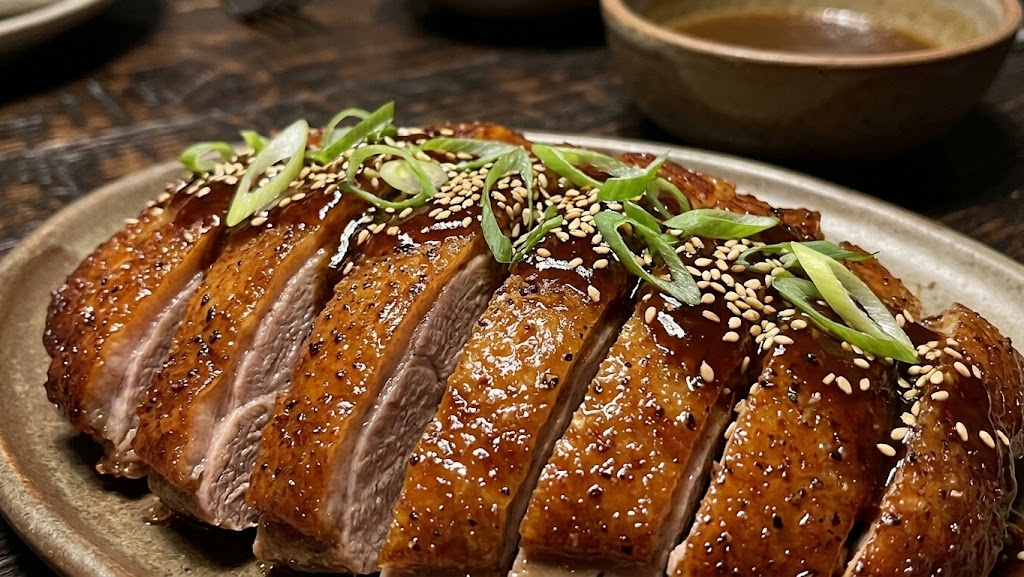
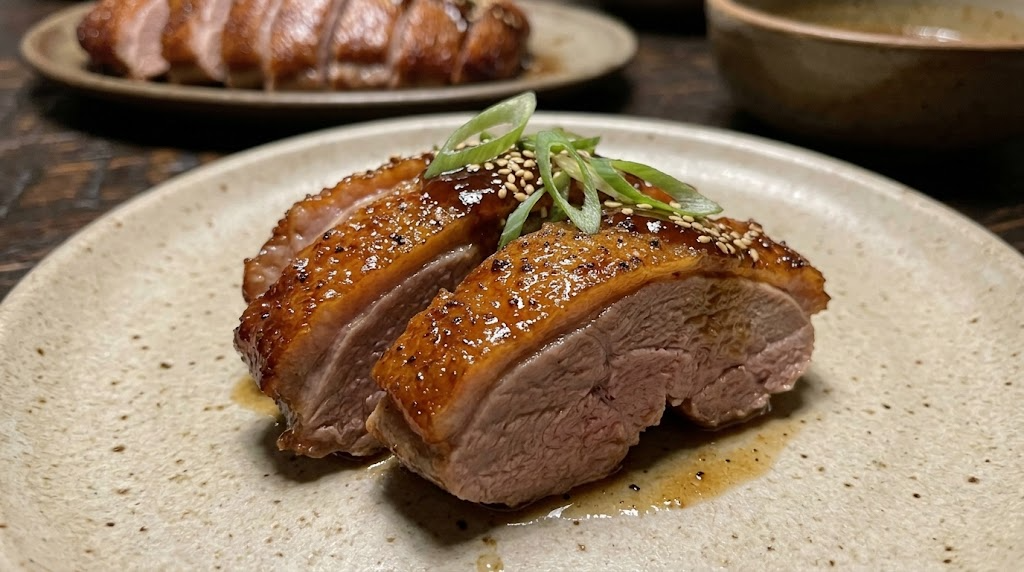
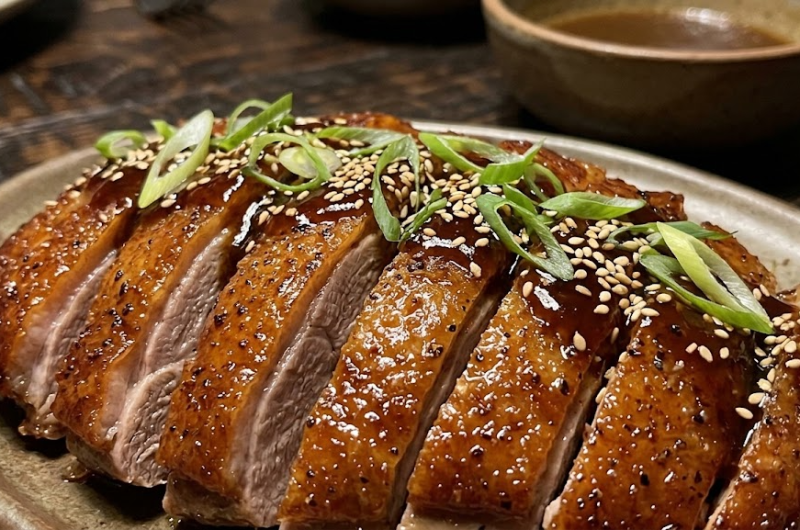
This roast duck is everything I want from a classic Sunday-style centerpiece: crisp, bronzed skin, tender meat, and a glossy citrus glaze that balances the richness beautifully. It is a confident, satisfying cook that feels special without being fussy, but I would still rate it as medium difficulty simply because timing and temperature matter. Plan for about 2 hours 30 minutes total, including resting time, and you will be rewarded with restaurant-style results from your own oven.
Ingredients
For the duck
- 1 whole duck (about 2 to 2.2kg), giblets removed
- 2 teaspoons fine sea salt
- 1 teaspoon freshly ground black pepper
- 1 orange, quartered
- 1 small onion, peeled and quartered
- 1 bay leaf (optional)
For the orange-honey glaze
- 120ml orange juice (fresh is best)
- 2 tablespoons honey
- 1 tablespoon soy sauce
- 1 tablespoon cider vinegar or white wine vinegar
- 1 teaspoon Dijon mustard
Optional orange-port pan sauce
- 150ml ruby port (or red wine)
- 250ml chicken stock
- 1 teaspoon cornflour mixed with 1 tablespoon cold water (slurry)
- 1 teaspoon orange zest
- Salt and pepper, to taste
How to Make Delia Smith Roast Duck Recipe
- Prepare the oven: Preheat the oven to 220°C or 200°C fan. Set a shelf in the middle of the oven. Place a metal rack over a roasting tin so the duck sits above the fat as it renders.
- Dry and prep the duck: Remove any packaging, take out the giblets, then pat the duck very dry with kitchen paper. Use a skewer to prick the skin all over (especially along the breast and thighs) without piercing into the meat, then season all over with the salt and pepper.
- Fill the cavity: Put the orange quarters and onion into the cavity (and bay leaf, if using). This gently perfumes the meat from the inside while it roasts. If you like, tie the legs loosely with kitchen string for neater carving.
- Start roasting: Place the duck breast-side up on the rack and roast for 20 minutes at 220°C (200°C fan) to kick-start browning and crisp the skin.
- Reduce the heat and continue roasting: Turn the oven down to 180°C (160°C fan) and roast for about 1 hour 30 minutes more. Every 30 minutes, carefully pour the rendered duck fat from the roasting tin into a heatproof bowl or jar. This helps the skin crisp and prevents greasy smoke in the oven.
- Make the glaze: While the duck roasts, add the orange juice, honey, soy sauce, vinegar, and Dijon mustard to a small saucepan. Simmer for 3 to 5 minutes until it looks slightly syrupy and will coat the back of a spoon.
- Glaze for the final roast: For the last 20 to 25 minutes of cooking, brush the duck with the glaze 2 to 3 times. If the breast is colouring too quickly, loosely cover that area with foil while it finishes roasting.
- Rest the duck: Remove the duck from the oven and transfer to a board. Loosely tent with foil and rest for 20 minutes. This step is non-negotiable if you want juicy slices.
- Optional pan sauce: Pour off all but 1 tablespoon fat from the roasting tin. Place the tin over medium heat (or pour the juices into a saucepan), add the port, and scrape up any browned bits. Add the stock, simmer 5 to 8 minutes, then whisk in the cornflour slurry a little at a time until lightly thickened. Stir in orange zest and season to taste.
- Carve and serve: Remove the orange and onion from the cavity. Carve the breasts into slices and pull the legs apart at the joints. Serve with extra glaze and/or the pan sauce.
Tips
How do I get properly crispy duck skin?
Dry the duck thoroughly, prick the skin all over, and drain the fat as it renders. Finishing with a glaze in the last 20 to 25 minutes gives shine without making the skin soggy.
Why is my roast duck greasy?
Duck releases a lot of fat. If it sits in the fat, it will taste heavy. Use a rack, and pour off the fat every 30 minutes. Save the fat for roasting potatoes, it is liquid gold.
How can I keep the breast meat from drying out?
Do not overcook, and always rest the duck for 20 minutes before carving. If the breast is browning faster than the legs, loosely cover just the breast with foil for the final part of cooking.
What should I do if the glaze starts to burn?
Glaze only near the end, keep an eye on it, and tent the duck loosely with foil if it is getting too dark. Honey can catch quickly in a hot oven, especially if your oven runs a little fierce.
Serving Suggestions
- Roast potatoes cooked in a spoonful of duck fat
- Steamed greens like broccoli or cavolo nero with a squeeze of lemon
- Red cabbage (braised or lightly sautéed)
- Buttered carrots and parsnips
- A sharp orange salad to cut through the richness
Storage
Room Temperature
For food safety, do not leave cooked duck out for more than 2 hours. Carve what you need, then cool and refrigerate the rest promptly.
Refrigerator
Store leftover duck in an airtight container for 3 to 4 days. Keep the sauce separate if possible. Reheat gently in a low oven (about 160°C) with a splash of stock or water to prevent drying.
Freezing
Freeze carved duck meat (preferably off the bone) in a freezer-safe container for up to 2 to 3 months. Thaw overnight in the fridge and reheat covered in the oven until piping hot. The skin will not stay crisp after freezing, but the meat is still excellent for salads, wraps, and fried rice.
Nutrition
- Calories: 520 kcal
- Carbohydrates: 8 g
- Protein: 32 g
- Fat: 40 g
- Saturated Fat: 12 g
- Sodium: 620 mg
Disclaimer: Nutrition values are estimates and will vary based on duck size, how much fat is rendered, and exact ingredients used.
FAQs
How long does it take to roast a 2kg duck?
For a 2 to 2.2kg duck, I roast 20 minutes at 220°C (200°C fan), then about 1 hour 30 minutes at 180°C (160°C fan), plus 20 minutes resting. Always check that the juices run clear at the thickest part of the thigh and the meat feels piping hot.
Do I need to prick duck skin before roasting?
Yes. Pricking (or scoring) helps the fat render out, which is the key to crisp skin and a less greasy roast. Be careful to pierce only the skin and fat, not the meat, or you will lose juices and dry the duck out.
What can I do with the duck fat from the roasting tin?
Strain it into a heatproof jar and chill. Use it for roast potatoes, sautéed cabbage, or crispy roast vegetables. Keep it in the fridge and use within a few weeks, or freeze for longer storage.
Can I make roast duck ahead of time?
You can roast the duck earlier in the day, cool it, then reheat it covered at 160°C until hot. The meat will still be lovely, but the skin will never be quite as crisp as freshly roasted. If possible, roast closer to serving time and simply prep the glaze and sides ahead.
What is the best way to carve a roast duck?
After resting, remove the legs by pulling them away at the joint. Then slice the breasts by cutting along the breastbone and following the ribcage, before slicing into neat pieces. A sharp knife and a rested bird make this much easier.
Delia Smith Roast Duck Recipe
Course: MainCuisine: BritishDifficulty: MediumServings
4-6
servingsPrep time
20
minutesCooking time
1
hour50
minutesTotal time
150
minutesCalories
520
kcal2
hours10
minutesCrisp-skinned roast duck with a simple orange-honey glaze and an optional orange-port pan sauce. A classic British-style roast that feels special but is very doable at home.
Ingredients
- For the duck
1 whole duck (about 2-2.2kg), giblets removed
2 tsp fine sea salt
1 tsp freshly ground black pepper
1 orange, quartered
1 small onion, peeled and quartered
1 bay leaf (optional)
- For the orange-honey glaze
120ml orange juice (fresh is best)
2 tbsp honey
1 tbsp soy sauce
1 tbsp cider vinegar or white wine vinegar
1 tsp Dijon mustard
- Optional orange-port pan sauce
150ml ruby port (or red wine)
250ml chicken stock
1 tsp cornflour mixed with 1 tbsp cold water (slurry)
1 tsp orange zest
Salt and pepper, to taste
Directions
- Preheat the oven to 220°C (200°C fan). Place a rack over a sturdy roasting tin so the duck sits above the rendered fat.
- Pat the duck very dry with kitchen paper. Prick the skin all over (especially the fattier areas) without piercing the meat, then season generously with salt and pepper.
- Stuff the cavity with the orange quarters, onion, and bay leaf (if using). Tie the legs loosely with string if you like for neater carving.
- Roast for 20 minutes at 220°C (200°C fan), then reduce to 180°C (160°C fan) and roast for about 1 hour 30 minutes more. Carefully drain off duck fat from the tin every 30 minutes.
- Make the glaze: simmer orange juice, honey, soy sauce, vinegar, and Dijon mustard for 3-5 minutes until lightly syrupy.
- During the last 20-25 minutes of roasting, brush the duck with glaze 2-3 times. If it is colouring too quickly, loosely cover the breast with foil.
- Rest the duck for 20 minutes, loosely tented with foil. This keeps the meat juicy and makes carving easier.
- Optional sauce: pour off all but 1 tbsp fat from the tin. Add port and scrape up browned bits, then add stock and reduce for 5-8 minutes. Thicken with cornflour slurry, then stir in orange zest and season to taste.
- Carve and serve with the extra glaze and/or pan sauce.
Notes
- Dry skin equals crisp skin: pat the duck thoroughly dry before seasoning.
- Drain the fat as it renders so the duck roasts rather than fries.
- Always rest the duck for 20 minutes to keep the meat juicy.