Subscribe For Weekly New Recipes!

Delia Smith Egg Custard Recipe
If you love proper old-fashioned pudding, this Delia Smith-style egg custard is the one to make. It bakes into a silky, lightly set custard with a gentle vanilla sweetness and that classic nutmeg perfume on top. It’s an easy, reassuring recipe with a couple of simple techniques that make all the difference. From start to finish, allow about 1 hour, plus cooling time if you prefer it chilled.
What This Egg Custard Is Like
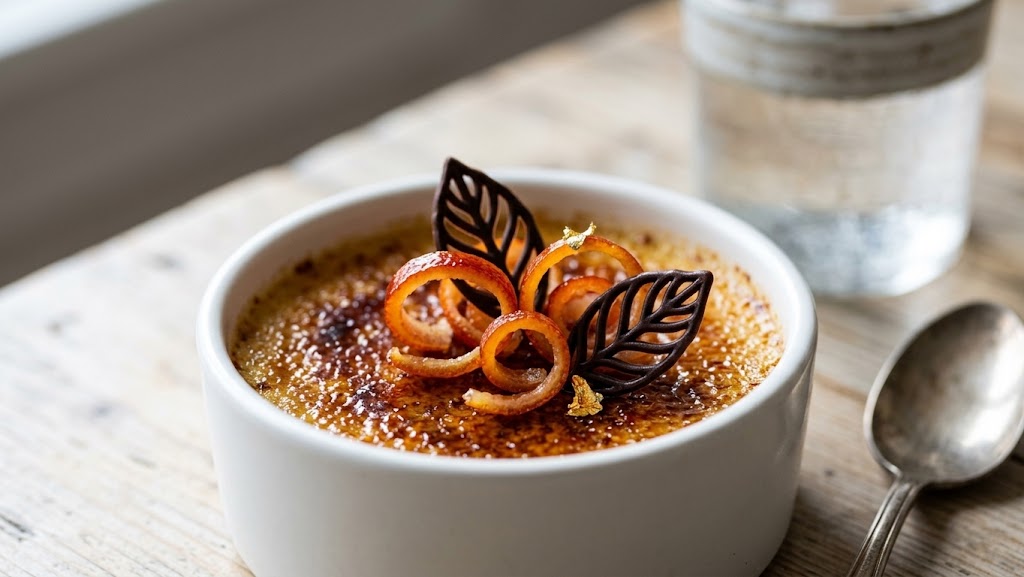
This is a baked custard rather than a stovetop pouring custard. The texture is creamy and delicate, set enough to spoon cleanly, with a soft wobble in the centre when it first comes out of the oven. Vanilla gives it a warm, familiar sweetness, and nutmeg adds that unmistakably British finishing touch.
Ingredients
For the custard
- 600ml full-fat milk
- 150ml double cream (optional, for extra richness)
- 4 large eggs
- 2 large egg yolks
- 75g caster sugar
- 1 tsp vanilla extract
- Pinch of fine salt
For the ramekins and topping
- Unsalted butter, for greasing
- Freshly grated nutmeg, to finish
For baking (water bath)
- Hot water from a freshly boiled kettle
How to Make Delia Smith Egg Custard Recipe
- Prepare the oven: Preheat the oven to 160°C (140°C fan). Put a shelf in the middle of the oven so the custards bake gently and evenly.
- Set up the ramekins: Lightly butter 6 ramekins (about 175 to 200ml each) and place them in a deep roasting tin. Set aside while you make the custard.
- Warm the milk: Pour the milk (and cream, if using) into a saucepan and heat until steaming hot but not boiling. You should see small bubbles around the edge, then take it off the heat.
- Mix the eggs and sugar: In a large bowl, whisk together the eggs, yolks, caster sugar, vanilla, and salt until combined. Keep it gentle. You’re aiming to mix, not aerate, so the custard stays silky.
- Temper the custard: Slowly pour the hot milk into the egg mixture while whisking steadily. Take your time here to prevent scrambling. For the smoothest finish, strain the mixture through a fine sieve into a jug.
- Fill and water-bath: Divide the custard mixture between the ramekins. Grate a little fresh nutmeg over each one. Carefully pour hot water into the roasting tin so it comes about halfway up the sides of the ramekins.
- Bake: Transfer the tin to the oven and bake for 30 to 40 minutes. They’re ready when the edges are set and the centre still has a slight wobble. If they look puffed and bubbly, the oven is too hot.
- Cool and serve: Lift the ramekins out of the water bath and cool on a rack. Serve warm, or chill for at least 2 hours for a firmer, colder set.
Tips
How do I stop baked egg custard from curdling?
Use a gentle oven temperature and always bake in a water bath. Also, avoid boiling the milk and avoid whisking lots of air into the eggs. If the custard bubbles or looks grainy, it has overheated.
Why does my custard have tiny holes on top?
Those little holes usually come from overbaking or too-hot heat, or from whisking the egg mixture too vigorously. Keep the whisking calm, strain the mixture, and pull the custards when the centre still trembles slightly.
How do I know when egg custard is set?
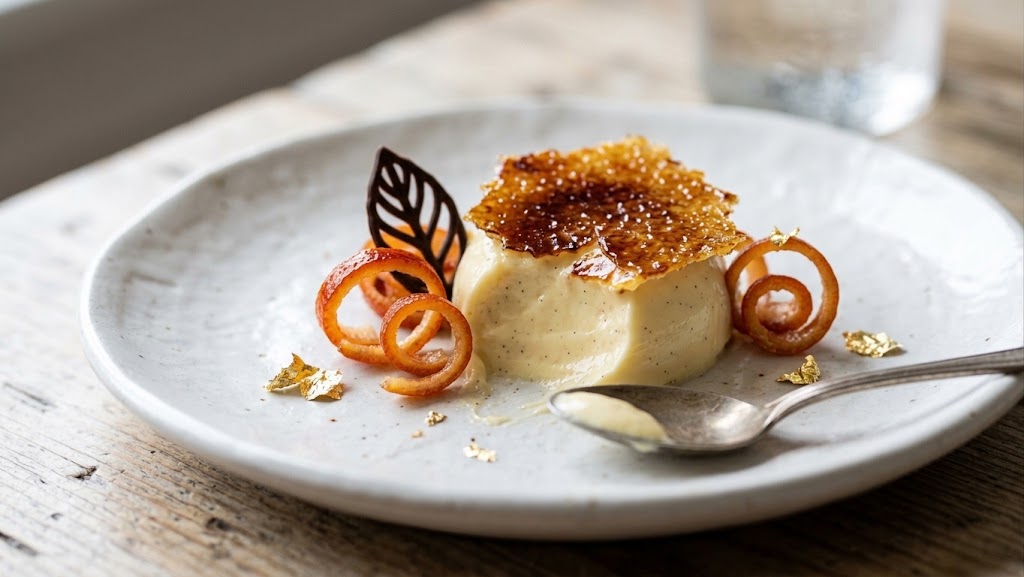
Gently nudge a ramekin. The outer ring should be set, and the centre should wobble like jelly. It will continue to firm up as it cools, especially after chilling.
Can I make it richer without making it heavy?
Yes. Use the extra yolks and add cream, but keep the bake gentle. Richness comes from yolks and dairy, while a soft set comes from low, steady heat.
Serving Suggestions
- Serve slightly warm with shortbread or crisp biscuits
- Add a spoonful of berry compote on the side
- Top with a few fresh raspberries or sliced strawberries
- Finish with an extra pinch of nutmeg just before serving
Storage
Room temperature
Once cooled, don’t leave egg custards out for more than 2 hours. After that, refrigerate.
Refrigerator
Cover each ramekin and refrigerate for up to 3 days. The nutmeg aroma is best on day 1, so you can grate a little fresh nutmeg over the top before serving if you like.
Freezing
I don’t recommend freezing baked egg custard. The texture can turn watery and slightly grainy after thawing.
Nutrition
- Calories: 220 kcal
- Carbohydrates: 16g
- Protein: 9g
- Fat: 13g
- Saturated fat: 7g
- Sodium: 95mg
Nutrition values are estimates and will vary based on specific ingredients and portion sizes.
FAQs
What temperature should baked egg custard be cooked at?
A gentle oven is best: 160°C (140°C fan). Higher heat can cause the custard to curdle or develop bubbles and holes on top.
Why do you bake egg custard in a water bath?
The water bath protects the custard from direct oven heat and helps it cook slowly and evenly. That’s what gives you a smooth, creamy set instead of a grainy texture.
Can I make egg custard without cream?
Yes. You can use all milk for a lighter custard. It will still set beautifully, just with a slightly less rich mouthfeel.
How do I fix a lumpy custard mixture before baking?
Strain it through a fine sieve into a jug. Straining removes any bits of cooked egg and gives you that classic smooth finish.
Can I make baked egg custard ahead of time?
Absolutely. Bake and cool, then cover and refrigerate for up to 3 days. It’s a great make-ahead dessert because it slices and spoons more neatly once chilled.
Delia Smith Egg Custard Recipe
Course: DessertCuisine: BritishDifficulty: EasyServings
6
custardsPrep time
15
minutesCooking time
35
minutesTotal time
65
minutesCalories
220
kcal50
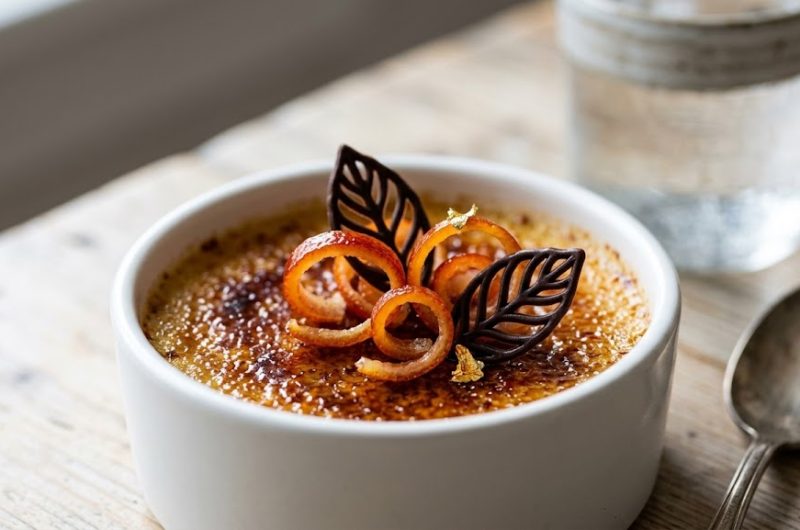
minutesA classic British baked egg custard with vanilla and nutmeg. Silky, gently set, and baked in a water bath for the smoothest texture.
Ingredients
Unsalted butter, for greasing ramekins
600ml full-fat milk
150ml double cream (optional, for extra richness)
4 large eggs
2 large egg yolks
75g caster sugar
1 tsp vanilla extract
Pinch of fine salt
Freshly grated nutmeg, to finish
Directions
- Preheat the oven to 160°C (140°C fan). Boil a kettle for the water bath.
- Grease 6 ramekins and place them in a deep roasting tin.
- Warm the milk (and cream, if using) until steaming hot but not boiling.
- Whisk eggs, yolks, sugar, vanilla, and salt just until combined (do not whip in lots of air).
- Slowly pour the hot milk into the egg mixture, whisking gently. Strain into a jug for the smoothest custard.
- Divide into ramekins, grate nutmeg over the top, then pour hot water into the tin to come halfway up the sides of the ramekins.
- Bake for 30 to 40 minutes until the custards are just set with a slight wobble in the centre. Cool, then chill if desired.
Notes
- For the smoothest finish, strain the custard mixture before baking.
- Keep the oven temperature gentle to prevent a curdled texture.
- Custards are ready when the edges are set but the centre still trembles slightly.