Subscribe For Weekly New Recipes!

Delia Smith Crepe Recipe
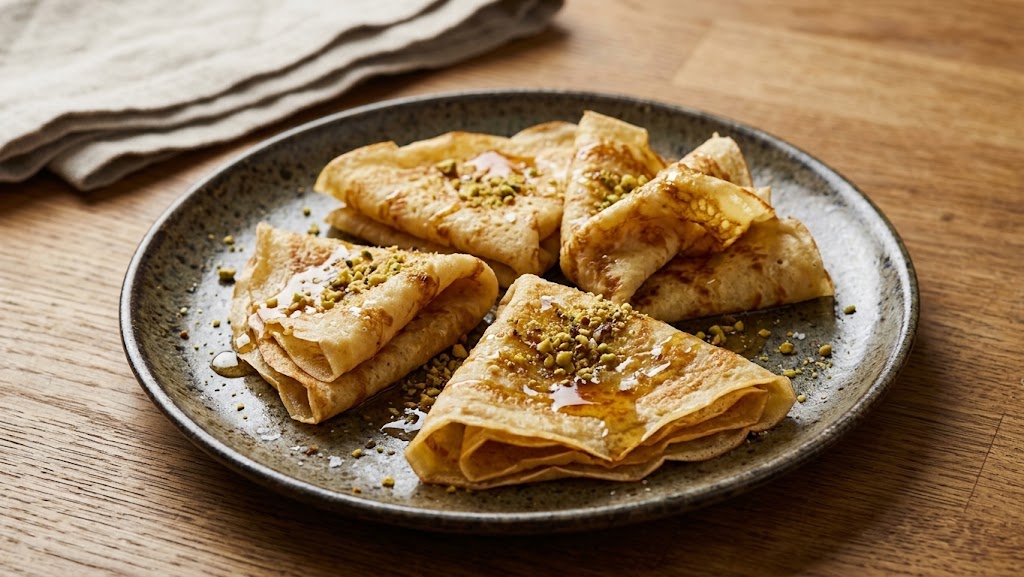
If you love thin, delicate pancakes with lacy edges and a soft, buttery centre, this is the crepe recipe you will come back to again and again. It is a classic Delia-style batter that cooks into light, flexible crepes that roll without cracking and taste gently sweet and eggy. The method is straightforward, even if you have never made crepes before. Allow about 55 minutes in total, including a short rest for the batter, plus 15 minutes to cook.
What to Expect From This Delia Smith Crepe Recipe
This batter makes classic, thin crepes that are tender rather than crispy, with lightly browned speckles and edges that stay pliable. The flavour is clean and buttery with a gentle egg richness, which is exactly what you want so your fillings can shine. You can keep them simple with lemon and sugar, or take them savoury with cheese and herbs.
Ingredients
For the crepe batter
- 100g plain flour (about ¾ cup)
- Pinch of fine salt
- 1–2 tbsp caster sugar (optional, for sweet crepes)
- 2 large eggs
- 250ml whole milk (1 cup)
- 75ml water (⅓ cup)
- 25g unsalted butter, melted and cooled slightly
For cooking
- Butter, for greasing the pan (a small knob is plenty)
For serving (classic lemon sugar)
- 1 lemon, cut into wedges
- Caster sugar, for sprinkling
How to Make Delia Smith Crepe Recipe
- Prepare the oven: Preheat the oven to 110°C (90°C fan). Place an ovenproof plate on the middle shelf so you can keep cooked crepes warm while you finish the batch.
- Mix the dry ingredients: Tip the flour into a mixing bowl and whisk in the salt (and caster sugar, if you are making sweet crepes). This quick whisk helps prevent flour lumps later.
- Whisk in the eggs and liquid: Crack in the eggs and whisk to make a thick paste. Slowly pour in the milk, whisking all the time, then whisk in the water. Keep going until the batter is smooth and the consistency of pouring cream.
- Add the melted butter: Whisk in the melted butter. This improves flavour and helps stop sticking. If the batter looks a touch thick, add 1 to 2 teaspoons of water.
- Rest the batter: Leave the batter to rest for 30 minutes at room temperature (or cover and chill for up to 24 hours). Resting gives you softer crepes that are easier to flip and roll.
- Heat the pan: Set a 20cm non-stick frying pan over medium heat. Add a tiny knob of butter and swirl, then wipe the excess with kitchen paper so you have a thin sheen, not a greasy pool.
- Cook the crepes: Pour in just enough batter to coat the base thinly (around 60ml, about ¼ cup, depending on your pan). Immediately tilt and swirl the pan to spread the batter. Cook for 45 to 60 seconds until the underside is lightly golden and the top looks set.
- Flip and finish: Loosen the edges with a palette knife, flip the crepe, and cook the second side for 20 to 30 seconds. Slide onto the warm plate in the oven.
- Repeat and keep warm: Continue with the remaining batter, buttering the pan lightly as needed. Stack the crepes on the warm plate so they stay soft.
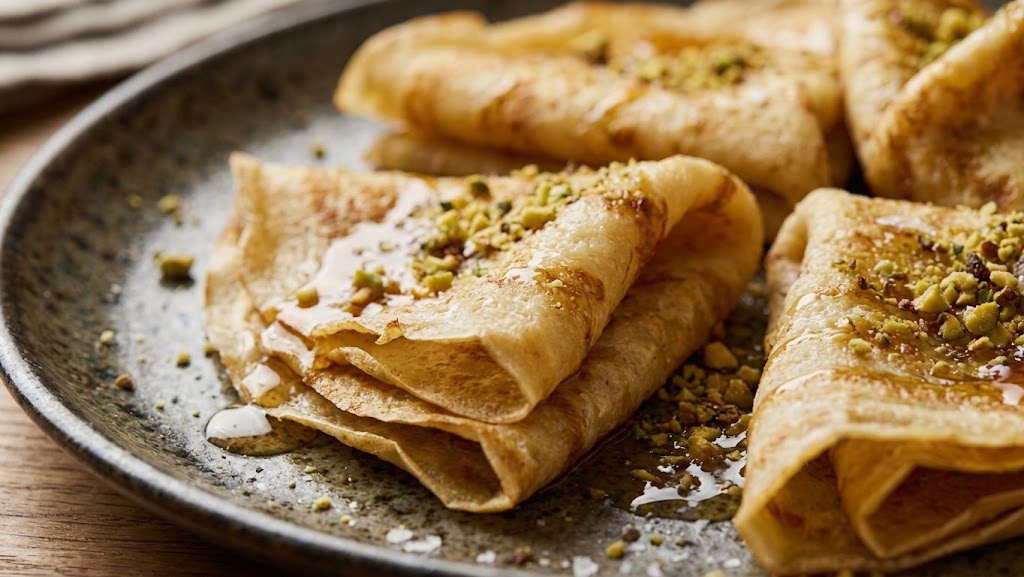
- Assemble and serve: For lemon and sugar, sprinkle a little caster sugar over each crepe, squeeze over lemon, then fold into quarters or roll. Serve straight away while warm.
Tips
Why is my first crepe always a mess?
That is completely normal. The first one tells you if the pan is too hot, too cool, or too buttery. After the first test crepe, adjust the heat to medium and wipe out any excess butter so the next crepes cook evenly.
How do I stop crepes from sticking?
Use a good non-stick pan, keep the heat at a steady medium, and grease lightly. Too much butter can actually make sticking worse because it burns and leaves residue. A thin sheen is ideal.
How thin should crepe batter be?
Aim for the consistency of single cream. If it pours like pancake batter, it is too thick. Whisk in a splash of water, one teaspoon at a time, until it flows easily and coats the pan in a thin layer.
How do I get lacy edges and even colour?
Make sure the pan is properly hot before you add batter, then swirl immediately. Lacy edges usually come from a thin spread of batter and a pan that is hot enough to set the batter quickly.
Serving Suggestions
- Lemon wedges and caster sugar (the classic)
- Warm Nutella or chocolate sauce with sliced bananas
- Mixed berries and a spoonful of Greek yogurt
- Ham and Gruyère, folded and warmed through in the pan
- Smoked salmon, cream cheese, and chives
Storage
Room temperature
If you are serving within a couple of hours, stack the crepes on a plate and cover with foil to prevent drying out.
Refrigerator
Cool completely, then stack with a small piece of parchment between crepes if you like. Store in an airtight container for up to 3 days. Reheat in a dry pan for 20 to 30 seconds per side, or microwave briefly covered so they do not dry out.
Freezing
Crepes freeze beautifully. Stack cooled crepes with parchment between them, wrap well, and freeze for up to 2 months. Thaw overnight in the fridge or at room temperature for about 30 to 45 minutes, then warm in a pan.
Nutrition
- Calories: 140 kcal
- Carbohydrates: 15 g
- Protein: 5 g
- Fat: 7 g
- Saturated Fat: 4 g
- Sodium: 120 mg
Disclaimer: Nutrition values are estimates and will vary based on portion size and specific ingredients used.
FAQs
Can I make crepe batter ahead of time?
Yes. Cover the batter and refrigerate for up to 24 hours. Give it a good whisk before cooking, and add a splash of water if it has thickened.
Why are my crepes tearing when I flip them?
Most often the crepe is being flipped too soon. Wait until the top looks set and the edges lift easily. Also check your batter is not too thin and your pan is properly non-stick and lightly greased.
Can I make this Delia Smith crepe recipe without milk?
You can. Use an unsweetened plant milk (oat or soy works well) and keep the water in the recipe. The flavour will be slightly different but the texture is still lovely.
What is the best pan for crepes?
A 20cm non-stick frying pan with low sides is the easiest for beginners. A dedicated crepe pan is great, but not essential. Consistent heat matters more than the pan brand.
How do I keep crepes warm for a crowd?
Keep them stacked on a warm plate in a low oven (around 110°C). Cover loosely with foil. This keeps them soft and flexible without drying out.
Can I freeze cooked crepes?
Yes. Freeze fully cooled crepes with parchment between each one, wrapped well. They keep for up to 2 months. Thaw, then warm briefly in a pan for the best texture.
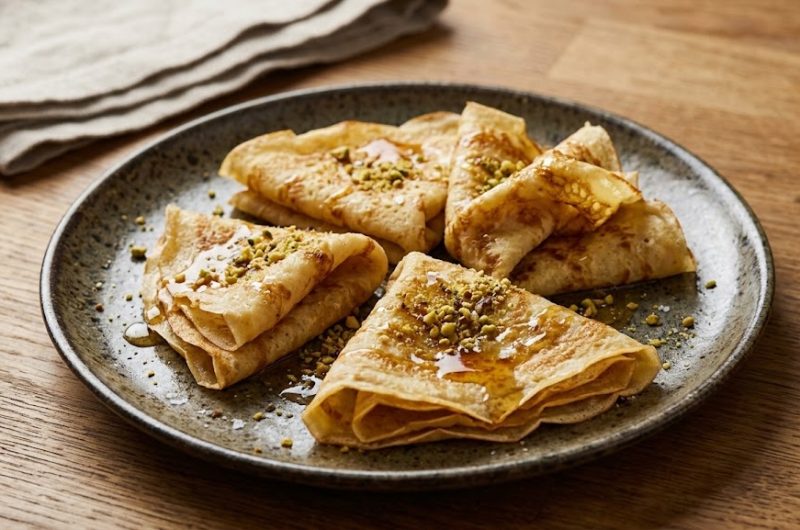
Delia Smith Crepe Recipe
Course: Breakfast, DessertCuisine: British, FrenchDifficulty: EasyServings
8
crepesPrep time
10
minutesCooking time
15
minutesTotal time
55
minutesCalories
140
kcal25
minutesClassic thin crepes with lacy edges and a soft, buttery centre. A reliable Delia-style batter that works for sweet or savoury fillings.
Ingredients
100g plain flour (about ¾ cup)
Pinch of fine salt
2 large eggs
250ml whole milk (1 cup)
75ml water (⅓ cup)
25g unsalted butter, melted and cooled slightly, plus extra for the pan
1–2 tbsp caster sugar (optional, for sweet crepes)
1 lemon, cut into wedges (to serve)
Caster sugar, for sprinkling (to serve)
Directions
- Warm the oven to 110°C (90°C fan) and place an ovenproof plate inside to keep cooked crepes warm.
- Whisk flour and salt (and sugar, if using) in a bowl. Add eggs, then whisk in milk and water gradually until smooth.
- Whisk in melted butter and rest the batter for 30 minutes (or up to overnight in the fridge).
- Heat a 20cm non-stick frying pan. Lightly butter the pan, then pour in a small ladle of batter and swirl to coat thinly.
- Cook 45–60 seconds until the underside is lightly golden and the top looks set. Flip and cook 20–30 seconds.
- Slide onto the warm plate in the oven and repeat with remaining batter, buttering the pan as needed.
- Serve immediately with lemon and sugar, or cool fully before filling and rolling.
- For filled crepes, add filling, fold or roll, then dust or sauce to finish.
Notes
- Resting the batter helps the flour fully hydrate and gives softer, more flexible crepes.
- If the first crepe is patchy, do not worry. It often acts as a test for pan temperature and butter level.
- For savoury crepes, skip the sugar and fill with cheese, ham, mushrooms, spinach, or smoked salmon.