Subscribe For Weekly New Recipes!

Delia Smith Fatless Sponge Recipe
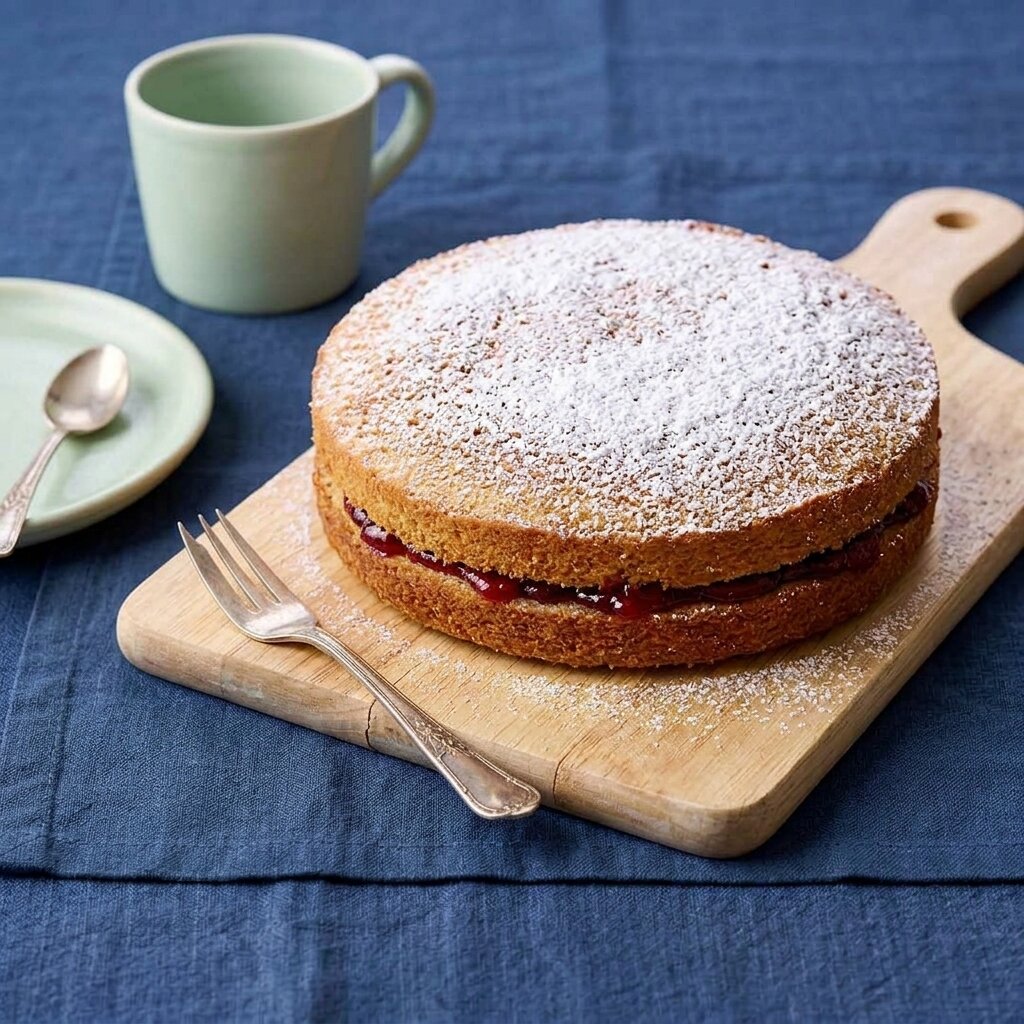
The Delia Smith Fatless Sponge Recipe is a classic British bake known for its light, airy texture and delicate flavour. Made without butter or oil, it relies on well-whipped eggs to create a soft, well-risen sponge that feels wonderfully light.
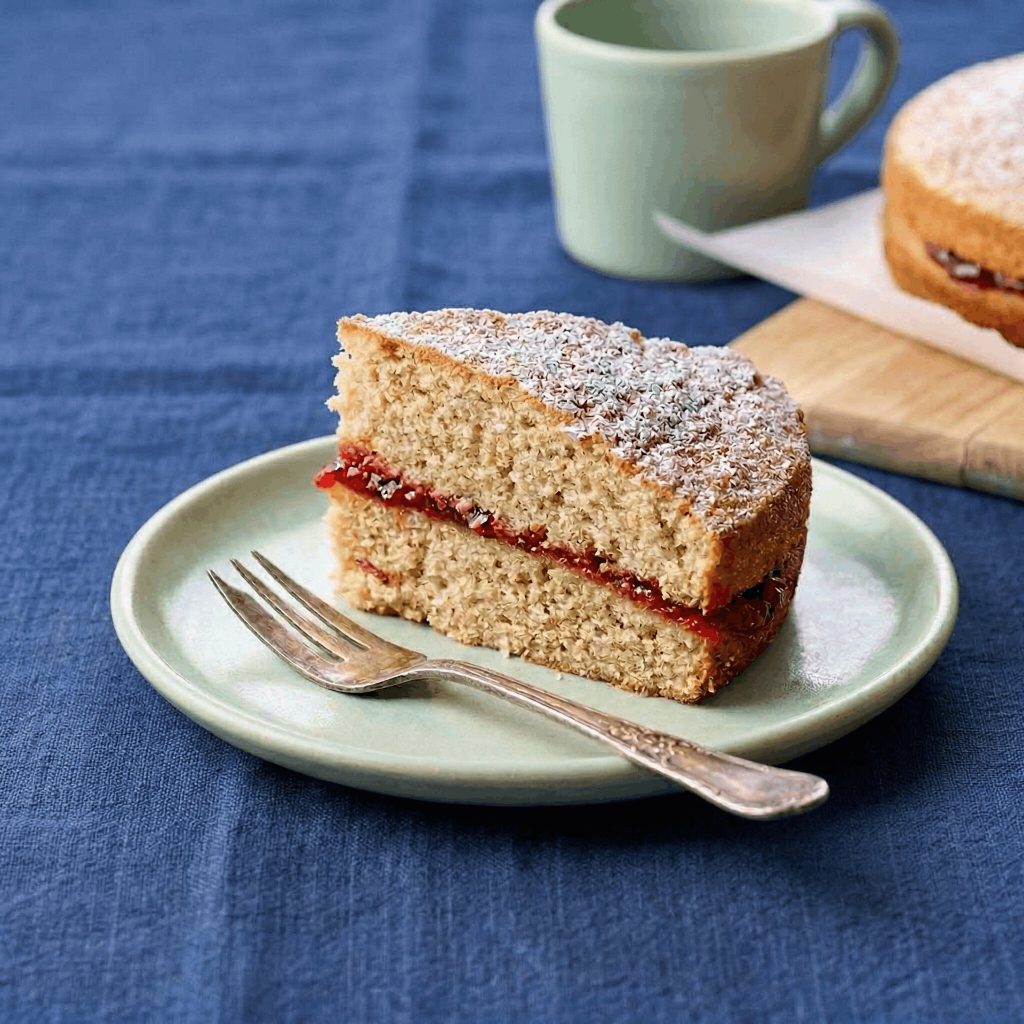
A good fatless sponge should be pale, fluffy and evenly risen, with a soft crumb that holds its shape without feeling heavy. The texture should be light and delicate, making it perfect for layering with jam, cream or fresh fruit for a simple yet elegant finish.
Ingredients
For the Sponge
- 4 large eggs
- 115g caster sugar
- 115g plain flour
- 1 tsp vanilla extract
- 1 pinch of salt
How to Make Delia Smith Fatless Sponge Recipe
Prepare the Baking Tins
Preheat your oven to 180°C (160°C fan). Grease and line two 20cm round cake tins with parchment paper to ensure an even bake and easy release.
Beat the Eggs and Sugar
In a large mixing bowl, whisk the eggs and caster sugar together using an electric mixer until pale, thick, and tripled in volume. This step gives the sponge its light, airy texture.
Add the Vanilla and Salt
Gently fold in the vanilla extract and a pinch of salt, taking care not to knock out the air. This enhances the flavour and aroma.
Sift and Fold in the Flour
Sift the plain flour over the mixture in three batches, folding gently after each addition with a metal spoon to keep the batter light and smooth.
Divide the Batter
Evenly divide the mixture between the prepared tins and level the tops with a spatula for consistent baking.
Bake the Sponges
Bake for 20–25 minutes until lightly golden and springy to the touch. Avoid overbaking to keep the sponge soft.
Cool the Sponges
Allow the cakes to cool in the tins for 5 minutes, then transfer to a wire rack to cool completely.
Assemble and Serve
Once cooled, sandwich the sponges with jam or whipped cream. The finished cake should be light, airy, and delicately flavoured with vanilla.
Recipe Tips
- Ensure the eggs are at room temperature — this helps them whip up to a greater volume.
- Beat the eggs and sugar for at least 5 minutes — this creates the necessary air bubbles for a light sponge.
- Fold the flour in gently — overmixing can deflate the batter and result in a dense cake.
- Use a metal spoon for folding — it cuts through the batter more efficiently without losing air.
- Check the sponges at 20 minutes — overbaking will dry them out.
- Cool the sponges completely before filling — this prevents the filling from melting and making the cake soggy.
Healthy Alternatives / Variations
- Add a tablespoon of cocoa powder for a chocolate version.
- Use almond extract instead of vanilla for a nutty flavour.
- Fold in some lemon zest for a citrusy twist.
- Add a layer of fresh berries between the sponges.
- Top with a dusting of icing sugar for a simple finish.
Ingredient Substitutions
- Use self-raising flour instead of plain flour and omit the salt.
- Replace caster sugar with granulated sugar for a slightly coarser texture.
- Substitute vanilla extract with almond extract for a different aroma.
- Use a sugar substitute for a lower-calorie version.
How to Serve
Serve the Delia Smith Fatless Sponge Recipe as a delightful afternoon treat with a cup of tea or coffee. It’s also perfect as a base for a celebration cake, layered with cream and fresh fruit.
Pairing Ideas
Pair this sponge with a light, fruity jam or a dollop of whipped cream for a classic combination. For a more indulgent treat, try serving with a scoop of vanilla ice cream or a drizzle of chocolate sauce.
How to Store Leftovers
Room Temperature
Store the sponge at room temperature in an airtight container for up to 3 days to maintain its texture.
Freezer
Wrap the sponge tightly in cling film and freeze for up to 1 month. Thaw at room temperature before serving.
Reheating
Refresh in a preheated oven at 160°C for 5 minutes to regain its softness.
Nutrition (per serving, approx.)
- Calories: 150 kcal
- Carbohydrates: 28g
- Protein: 4g
- Fat: 2g
FAQs
Can I use a different size tin?
Yes, you can use a different size tin, but the baking time may vary. Check for doneness by pressing the sponge lightly; it should spring back.
Why did my sponge sink in the middle?
A sponge can sink if the batter is overmixed or if the oven door is opened too early. Ensure the batter is gently folded and avoid opening the oven during baking.
Can I make this sponge in advance?
Yes, you can bake the sponge a day in advance. Store it in an airtight container at room temperature until ready to fill and serve.
What fillings work best with this sponge?
Classic fillings like strawberry jam and whipped cream work beautifully. You can also try lemon curd or chocolate ganache for a different flavour profile.

Delia Smith Fatless Sponge Recipe
Course: DessertCuisine: BritishDifficulty: BeginnerServings
4
servingsPrep time
30
minutesCooking time
40
minutesCalories
300
kcalTotal time
1
hour10
minutesDelia Smith Fatless Sponge Recipe creates a light and airy cake perfect for any occasion. Enjoy this classic treat with your favourite fillings.
Ingredients
4 large eggs
115g caster sugar
115g plain flour
1 tsp vanilla extract
1 pinch of salt
Directions
- Preheat your oven to 180°C (160°C fan) and line two 20cm round cake tins with parchment.
- Beat the eggs and caster sugar until pale, thick, and tripled in volume.
- Fold in the vanilla extract and a pinch of salt gently.
- Sift and fold in the plain flour in three batches.
- Divide the batter evenly between the prepared tins.
- Bake for 20-25 minutes until lightly golden and springy.
- Cool in tins for 5 minutes, then on a wire rack.
- Sandwich with filling and serve.
Notes
- Ensure the eggs are at room temperature — this helps them whip up to a greater volume.
- Beat the eggs and sugar for at least 5 minutes — this creates the necessary air bubbles for a light sponge.
- Fold the flour in gently — overmixing can deflate the batter and result in a dense cake.
- Use a metal spoon for folding — it cuts through the batter more efficiently without losing air.
- Check the sponges at 20 minutes — overbaking will dry them out.
- Cool the sponges completely before filling — this prevents the filling from melting and making the cake soggy.